Your Journey Starts Here
How to Choose the Right Web Designer for Your Business
Choosing the Right Web Designer
In today’s digital-first world, your website is often the first impression potential customers have of your business. Therefore, choosing the right web designer is one of the most important decisions you can make for your brand. However, with so many agencies and freelancers out there, it can be difficult to know where to begin.
To help simplify your search, here are several key considerations that will guide you toward finding the perfect fit for your goals, budget, and style.
Review Their Portfolio
Website Design Portfolio Review
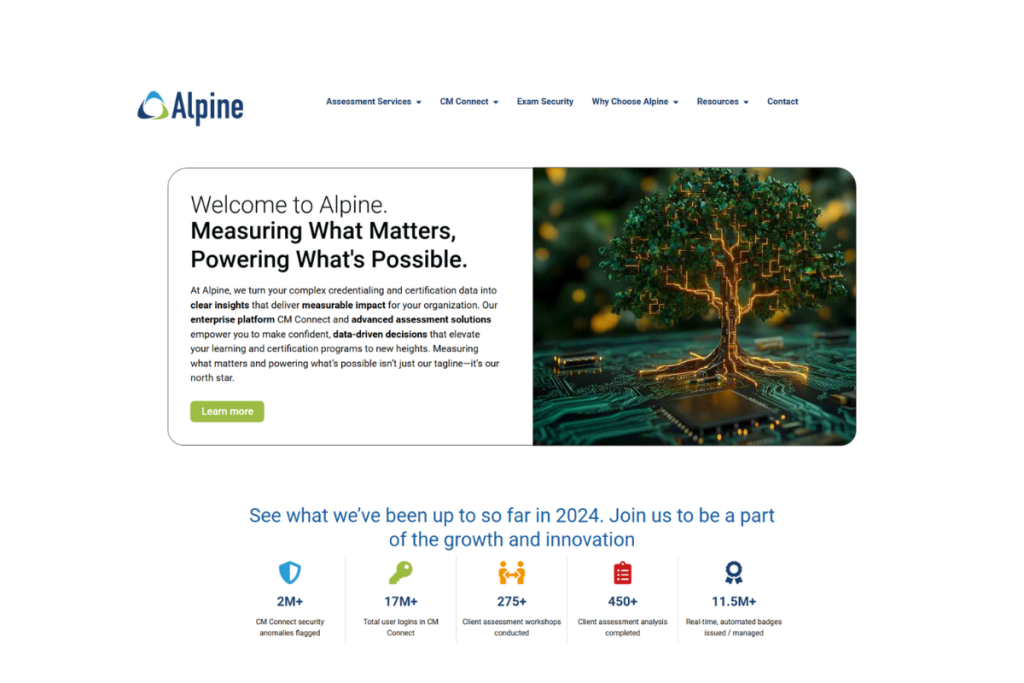
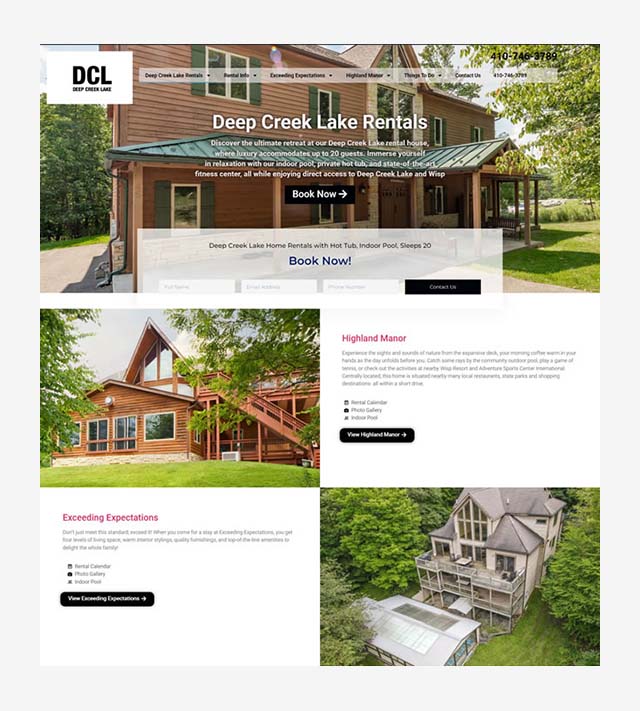
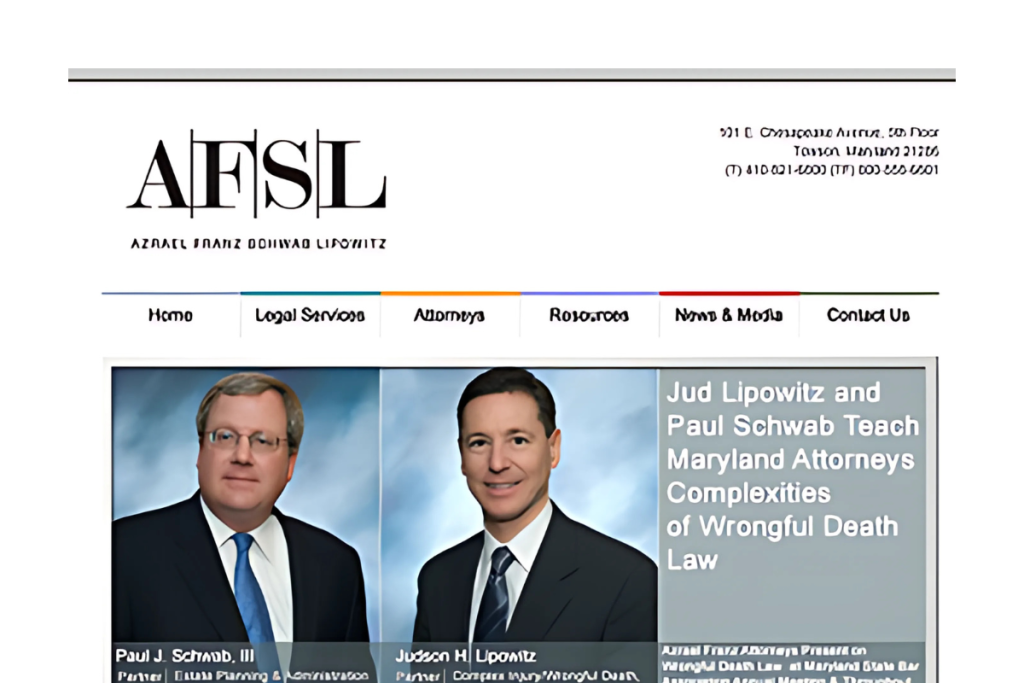
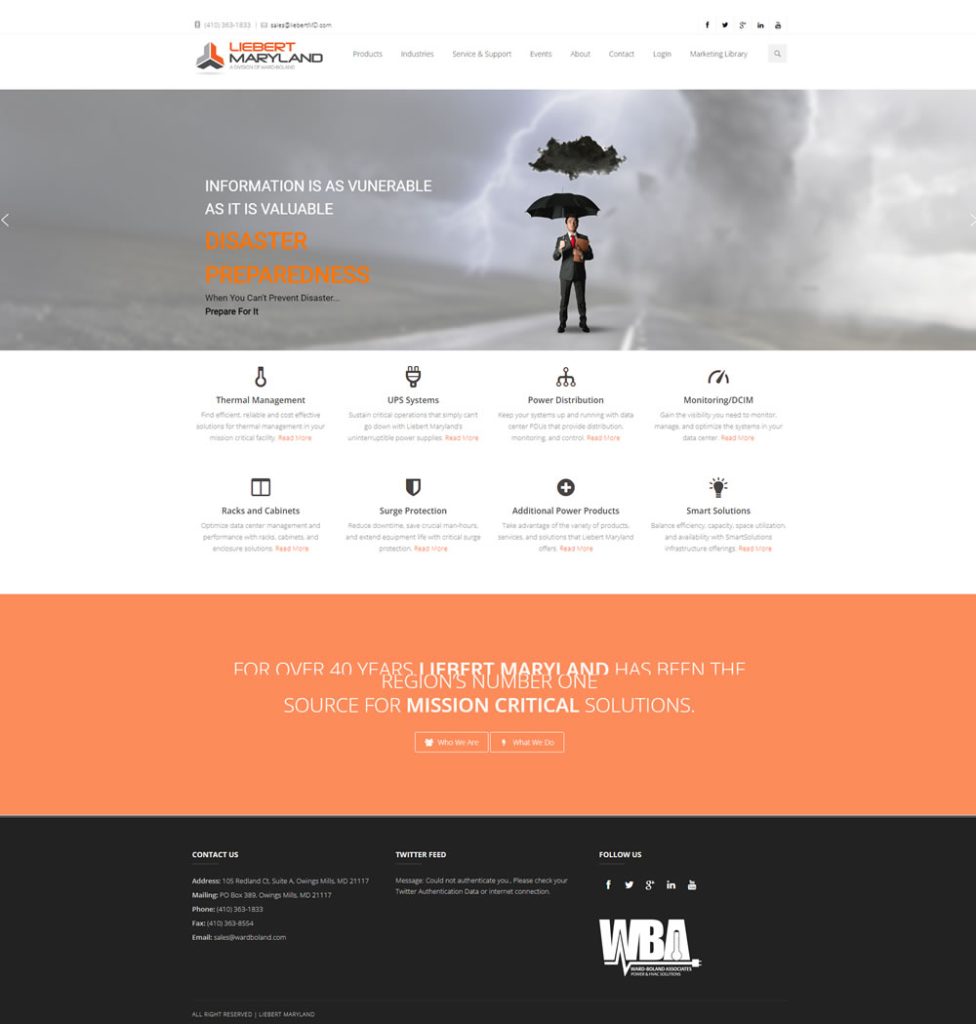
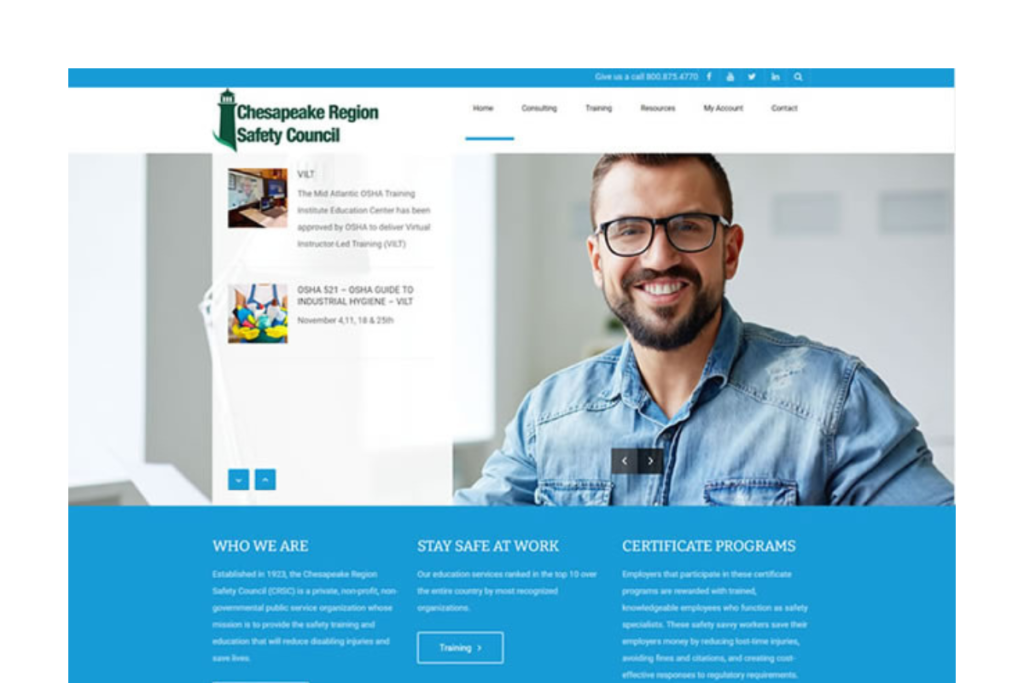
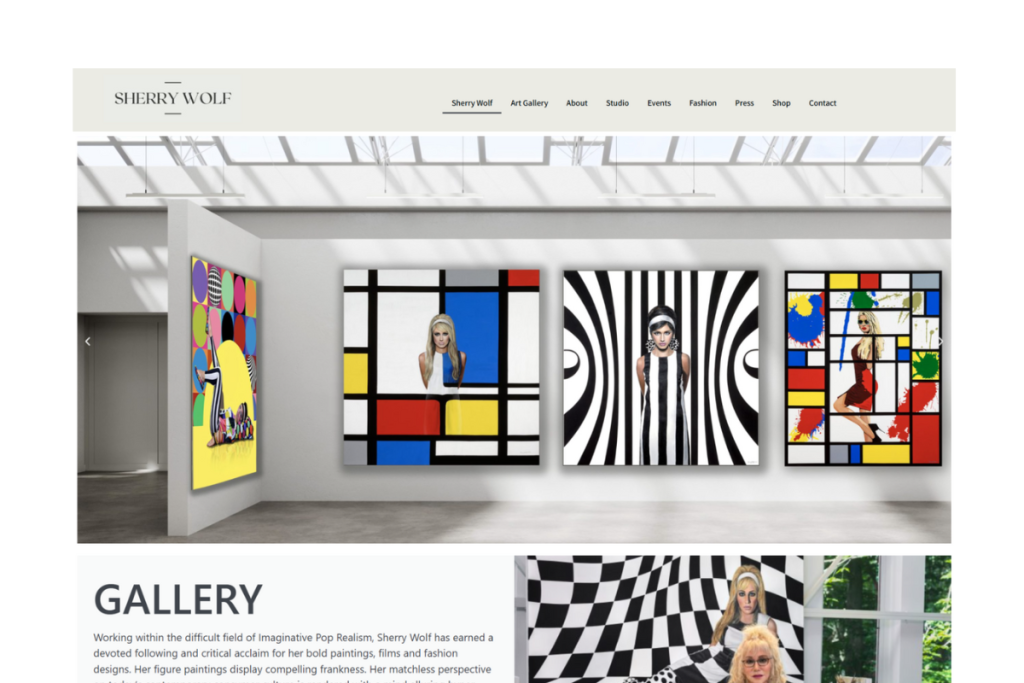
When choosing a web designer, the portfolio is your window into their abilities. It not only shows the type of work they have completed but also demonstrates their skills, creativity, and technical range. In fact, reviewing this work allows you to quickly judge whether their style matches the goals of your business.
Check for Industry Experience
A strong portfolio often reveals whether a designer has worked with businesses in your industry. For example, a law firm may need a polished, professional site, whereas a restaurant might require something bold and visual. Therefore, if you see projects similar to your own, you can be confident the designer understands your unique challenges.
Look at Design Versatility
Consistency is important, however, versatility shows true skill. A designer should be able to build sleek corporate websites as well as engaging creative layouts. Moreover, versatility means they can adapt their approach to your brand voice rather than forcing you into a cookie-cutter template.
Evaluate Results, Not Just Looks
Attractive websites are valuable, but performance matters even more. As a result, you should check whether the portfolio highlights improved conversions, SEO growth, or measurable client success. In addition, ask the designer how they track outcomes so you know their work generates real business value.
Understand Their Approach to SEO
A beautiful website is useless if no one can find it. Ask about:
On-page SEO optimization (keywords, metadata, headings).
Site speed and mobile responsiveness.
Experience with local SEO if your business relies on nearby customers.
The best designers think about SEO from the very beginning.
Conversion-Focused Design
Your website shouldn’t just look good—it should convert visitors into customers. Ask potential designers:
How they incorporate calls-to-action (CTAs).
Whether they optimize forms, booking widgets, and contact methods.
If they have experience increasing conversions for past clients.
Website Support, Maintenance, and Hosting
A website needs ongoing care. Find out:
Who manages updates, backups, and security patches.
Whether they offer hosting or recommend a trusted provider.
What their support structure looks like after launch.
This ensures your site doesn’t go stale or vulnerable after going live.
Communication and Process
Great design comes from great collaboration. Look for a designer who:
Has a clear project process (discovery, mockups, revisions, launch).
Is transparent about timelines and costs.
Listens to your ideas but also offers guidance based on expertise.
Marketing and Digital Strategy Experience
Today’s websites are part of a larger digital ecosystem. The right web designer should also understand:
Social media integration.
Email marketing funnels.
Analytics and reporting tools.
How the website fits into your broader lead generation strategy.

Web Design Cost Budget and Value
Cheapest isn’t always best. Think about:
What’s included in the price (design, SEO, strategy, support).
Whether they offer ongoing packages or one-time builds.
How their work has impacted other clients’ revenue or growth.
Investing in a high-quality website is often more cost-effective in the long run.
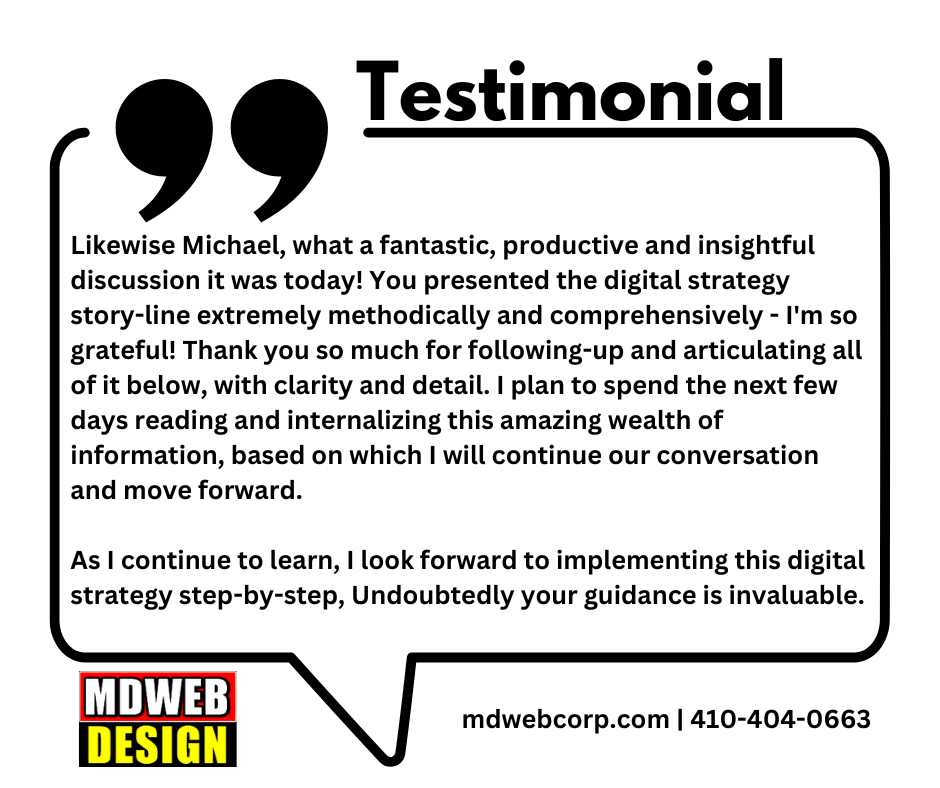
Client Reviews and Testimonials
Finally, check what past clients have to say:
Look for reviews on Google, Clutch, or LinkedIn.
Ask for references if you want direct feedback.
Pay attention to comments about professionalism, results, and responsiveness.
Final Thoughts
The right web designer is more than just a vendor — they’re a partner in your business growth.
Key Takeaways
By evaluating portfolios, SEO maturity, conversion strategy, support systems, communication, overall digital strategy, budget, and past client feedback, you’ll have a solid framework for selecting a designer who aligns with your goals.
What to Do Next
Start by drafting your business goals and brand vision. Then, compare designers not just on looks, but on how they measure success and support you long term. Choose one who will grow with you, not just build and leave.
FAQs
Why is reviewing a portfolio so important when choosing a web designer?
A portfolio shows you not only the designer’s style but also their range, industry experience, and ability to create mobile-responsive, user-friendly websites. It’s the best predictor of what they can deliver for your business.
Should I choose a local web designer or is remote okay?
Both can work, but local designers often have insight into your market and may provide more personalized support. If face-to-face collaboration is important, local is usually best.
How much should I expect to spend on a quality website?
Pricing varies widely based on scope. Basic sites can start a few thousand dollars, while fully optimized, strategy-driven websites often cost more. Always weigh cost against long-term value.
What makes Maryland Web Design different from other companies?
With over 30 years of experience, Maryland Web Design offers holistic solutions—covering design, SEO, content creation, digital strategy, and social media marketing. This ensures every part of your online presence works together to drive leads and growth.
Do all web designers provide ongoing support and hosting?
Not necessarily. Some only hand off the design. It’s important to ask about maintenance, updates, backups, and hosting upfront.
How do I know if a web designer understands SEO?
Ask for examples of past projects where SEO was built in from the start. Look for evidence like keyword research, optimized site speed, local SEO, and improved client rankings.
What questions should I ask before hiring a web designer?
What’s your process from planning to launch?
How do you handle SEO?
Do you offer ongoing support?
Can you share examples of results you’ve delivered for clients?
How do I ensure my website converts visitors into customers?
Work with a designer who emphasizes user experience (UX), clear CTAs, and proven conversion strategies. Ask about testing and optimization methods.
Can a web designer also help with digital marketing beyond the website?
Yes, some—like Maryland Web Design—offer full-service packages that include SEO, social media, content, and advertising. This ensures your website is part of a complete strategy.
How long does it take to design and launch a website?
Typical timelines range from 4–12 weeks, depending on complexity, content readiness, and client feedback speed.
Subscribe to our newsletter
A free newsletter on digital marketing, AI, web design, SEO, social media, hosting and information on trends, resources and tips on how to maximize your online business.